
Considering custom furniture, a room makeover, or an office renovation?
Explore the timeless beauty and durability of white oak wood veneer.
This material adds character and lasting quality to your space.
In this blog, we’ll cover everything you need to know about American white oak veneer and how it can elevate your interiors.
Let’s dive in!
1. What is white oak veneer?
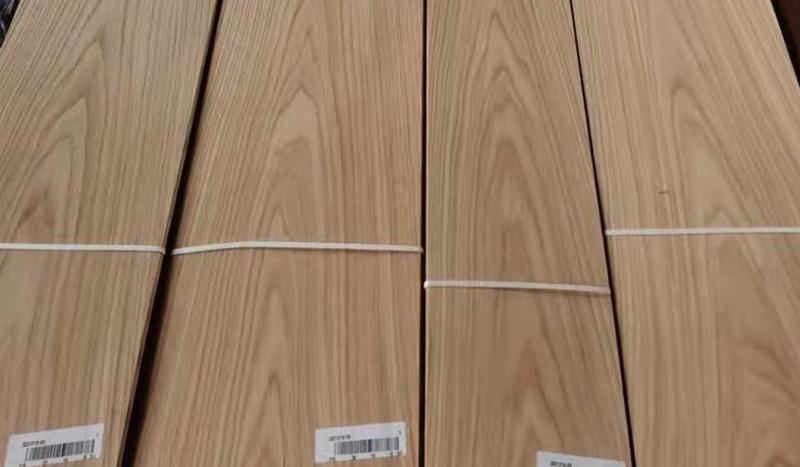
White oak (Quercus alba) is a strong, beautiful hardwood native to eastern and central North America. With a higher density than red oak, it’s durable and versatile.
The bark produces thin, smooth slices of wood, which are turned into veneers to enhance furniture, cabinetry, and other decorative elements, adding elegance and lasting charm.
2. How to make American white oak veneer?
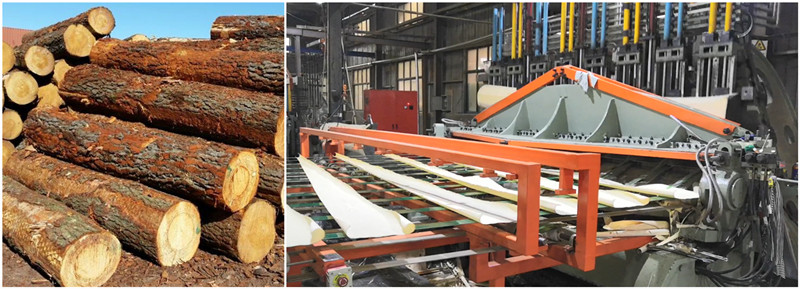
2.1 Selecting and cleaning the wood
We select high-quality American White Oak wood and carefully remove any unwanted pieces, ensuring a smooth and beautiful surface for your projects.
2.2 Steam Process
American white oak log is steamed to prevent cracking during cutting and maintain strength and flexibility for easier handling and application.
2.3 Wood Slicing
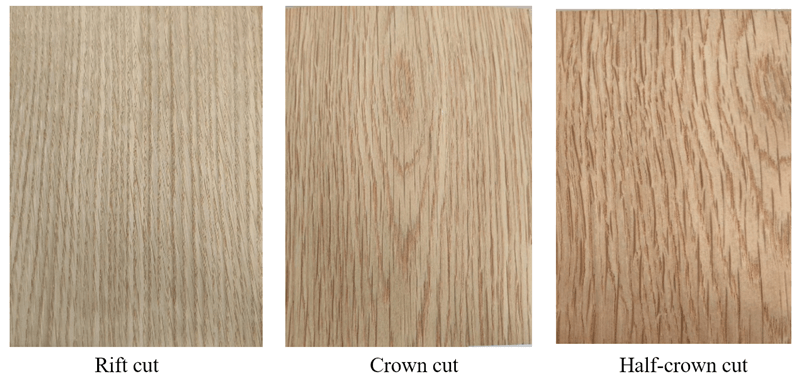
Different cutting methods, like crown (flat) and quarter (rift) cuts, create various grain patterns. The slicing technique influences the veneer’s grain structure and visual effect, offering finishes to suit different styles.
2.4 Veneer Drying
Once the veneer is sliced, it’s carefully dried to prevent cracking or deformation. Proper drying is essential to maintaining the integrity and quality of the white oak veneer throughout their lifespan.
2.5 Veneer Grading
After drying, the white oak wood veneer is inspected for quality. The grain, thickness, and color of each sheet are assessed to ensure they meet the required standards. The veneer is then graded based on these factors, allowing you to select the best option for your needs.
3. Features of white oak veneer
3.1 Growth Rate
White oak grows slowly, taking 80 to 100 years to mature, resulting in dense wood with exceptional strength and durability. This gradual growth makes it resilient and long-lasting, ideal for furniture, cabinetry, and more.
3.2 Straight and Tight Grain
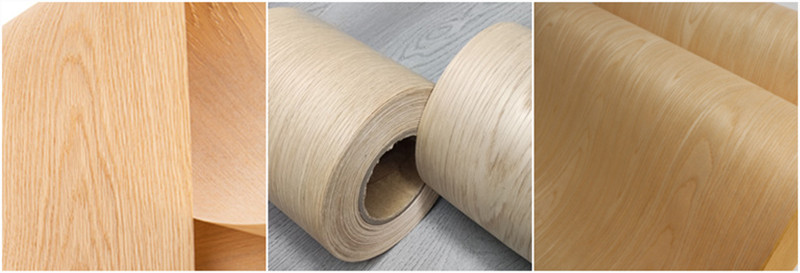
White oak wood veneer is known for its smooth, straight grain, often featuring subtle waves or medullary rays that add depth and character. These unique traits enhance the oak veneer’s elegance and natural beauty, making it a sought-after choice for furniture, cabinetry, and wall paneling.
3.3 Color
American white oak veneer boasts a soft, golden to pale brown hue that adds a warm, inviting touch to any room. With time, it gracefully matures, deepening in color and developing a richer, more vibrant golden tone that enhances its natural beauty.
4. Benefits of white oak veneer
4.1 Durability
White oak’s high density and fine grain make its veneer exceptionally resilient, resistant to dents, scratches, and wear. This durability ensures that furniture retains its beauty and lasts for years.
4.2 Resistance to Moisture
White oak is moisture-resistant and durable, extending veneer lifespan. It’s an excellent choice for moisture-prone areas like kitchens or bathrooms, maintaining beauty while withstanding these environments.
4.3 Beautiful
American white oak veneer starts with a light hue that deepens into a rich, golden tone as it matures, offering timeless beauty. Its warm, graceful tones make it a versatile choice for both modern and traditional interiors, creating a welcoming atmosphere.
4.4 Cost-Effective
American white oak veneer is moderately priced and offers good value for money. It can provide you with the texture of solid white oak at a relatively low cost. If your budget is limited but you still want to purchase white oak products, please consider it.
4.5 Noise Reduction
White oak has a high density and strong sound insulation performance. As a result, white oak wood veneer becomes an ideal material for commercial places such as offices, restaurants, and hotels.
5. Types of white oak veneer
5.1 Standard thicknesses (0.4mm–2mm)
This thickness is the most commonly chosen for a wide range of applications, such as furniture, wooden doors, and cabinetry.
Thicker veneers are perfect for projects that need extra durability, while thinner veneers offer greater flexibility and are easier to handle during the crafting process.
5.2 Engineered white oak veneer
Engineered white oak veneer, also known as reconstituted veneer, recon, or composite oak veneer, offers several practical benefits. Its consistent grain pattern sets it apart from natural wood, making it an excellent choice for projects where uniformity is essential.
The even color of engineered veneer also helps eliminate inconsistencies, especially when dyeing.
This veneer provides a cost-effective alternative to solid wood, offering the rich look of oak without the high price tag. For those on a budget but seeking the timeless appeal of oak, reconstituted veneer is an ideal solution.
Additionally, reconstituted white oak wood veneer is highly customizable. You can order it in any color or thickness to suit your project, making it a versatile option for both large designs and smaller, personalized touches.
5.3 Fleece/Paper backed white oak veneer
Super-thin white oak wood veneer (0.22 to 0.25 mm) is often backed with material for added performance and ease of use.
Fleece-Backed White Oak Veneer offers key benefits:
• Improved Stability: Reduces swelling, contraction, and cracking.
• Easier Bonding: Simplifies application to substrates.
• Increased Flexibility: Conforms to uneven or curved surfaces.
• Cost-Effective: Combines durability and affordability.
Paper-Backed White Oak Veneer provides similar benefits but at a slightly higher price, offering enhanced stability and easier application.
5.4 White oak veneer rolls
American white oak veneer rolls are versatile, primarily used for edge banding and wrapping in woodworking and interior design.
Edge Banding: Applied to tabletops, doors, cabinets, and shelves, it creates a seamless, polished look, adding a high-end finish. It also protects edges from damage, enhancing durability and longevity.
Veneer Wrapping: Veneer wrapping involves applying a thin layer of white oak to surfaces like MDF, plywood, or particle board. It offers the look of solid wood at a lower cost, making it ideal for custom furniture or architectural veneered panels. This method provides a flexible, elegant solution for large surfaces.
Whether for edge banding or molding profile wrapping, choosing the right American white oak veneer ensures a beautiful, cohesive look that blends elegance with flexibility and affordability.
5.5 Matched white oak veneer
In the production of interior doors, wardrobes, and furniture, how veneer layons are matched is key to achieving a polished, cohesive look. By aligning the patterns of American white oak veneer, designers can enhance the wood’s natural beauty with striking, harmonious patterns.
There are several common matching techniques for your white oak wood veneer sheets:
Book-Matched: This technique involves matching two veneer sheets so that they open like a book, creating a mirrored effect. It’s perfect for showcasing the intricate grain patterns of white oak and adds a sense of symmetry and elegance to your pieces.
Slip-Matched: In this method, veneer sheets are placed side by side without flipping, creating a smooth, continuous grain pattern across the surface. For a unique look, custom options like diamond-matched or reverse diamond-matched layons can be arranged, offering refined, intricate designs with luxurious diamond patterns. Choosing the right veneer matching technique maximizes white oak’s natural beauty, giving your interior doors, wardrobes, and furniture a distinctive, elegant finish.
5.6 Dyed white oak veneer
Veneer can be dyed to various colors, offering even more customization options for your projects.
5.7 Special surface styles white oak veneer
Finally, here are four unique surface styles that offer eye-catching options for your projects. If you’re seeking something distinctive with plenty of character, these could be the perfect choice for you.
Rough sawn cut white oak veneer
American white oak veneer comes in various surface styles, with the rough sawn cut standing out for those who appreciate rustic, natural aesthetics. This style features an uneven grain that gives the veneer a textured, organic look. Ideal for a rugged, nature-inspired finish, rough sawn cut white oak adds authentic charm to furniture, cabinets, and other designs.
Woven white oak veneer
For a unique, intricate design, consider woven white oak wood veneer. This style weaves individual strips into custom patterns, adding an artistic touch to your project. Available in thicknesses from 0.5 to 1mm, we offer full customization to bring your desired pattern to life, whether simple or elaborate.
Smoked white oak veneer
Smoked white oak veneer sheets offer a deeper, richer hue through a special smoking process, adding warmth and sophistication to your designs. For a cost-effective option, the 0.25mm smoked veneer delivers the beauty of smoked wood at a more affordable price, ideal for elegant, budget-conscious projects.
Rustic white oak veneer
The surface with knots is a distinctive style of white oak
6. How to choose the right white oak veneer?
6.1 Grain
The slicing method of the wood veneer determines its grain pattern. Common options include rift cut or crown cut.
6.2 Thickness
The thickness of white oak wood veneer affects both its price and application. Common thicknesses range from 0.25mm to 2mm, with 0.4mm and 0.5mm being the most popular for general applications.
6.3 Grade
Wood veneer is graded internationally (AAA, AA+, AA, A+, etc.) to indicate quality, but in China, grading definitions may vary by factory, leading to confusion. To avoid issues when ordering white oak veneer sheets, send clear pictures to the supplier. This helps ensure they understand your requirements and provide the right veneer for your project, saving time and effort.
6.4 Length and width
The standard width of white oak veneer sheets is 90mm and up, length is random 2500mm and up. Wider veneer sheets can be achieved by splicing pieces together.
6.5 Price
The price of white oak veneer sheets depends on thickness, grade, and features like backing materials. Thicker, higher-grade veneers with special backings cost more. To avoid misunderstandings, clarify pricing terms like FOB or CIF with your supplier. Discussing these terms upfront helps avoid surprises with shipping, handling, and insurance fees. Defining pricing details ensures you get the best value for your investment.
7. Frequently Asked Questions about white oak veneer
Conclusion
American white oak veneer combines durability and beauty, making it a great, affordable choice for your interior design projects. If you have any questions or need assistance, feel free to contact us—we’re here to help!
Leave A Comment